In today’s digital world, everyone carries a camera in their pocket. Smartphones have made photography accessible to all, allowing people to capture moments instantly and share them online. However, there is still a noticeable difference between phone pictures and professional photographs. While both serve their purpose, understanding the key differences can help you decide when to rely on your phone and when to hire a professional.
Image Quality and Resolution
One of the biggest differences lies in image quality. Smartphone cameras have improved significantly over the years, but they still have limitations compared to professional cameras. Professional photographers use DSLR or mirrorless cameras with larger sensors, which capture more detail, better colors, and higher resolution images.
Phone cameras rely heavily on software processing and AI enhancements. While this makes images look good on social media, they may lose quality when printed or viewed on larger screens. Professional photos, on the other hand, maintain clarity even in large formats like banners or albums.
Lighting Control
Lighting plays a crucial role in photography. Smartphones often struggle in low-light conditions, resulting in grainy or blurry images. Although night modes have improved, they still cannot match the precision of professional lighting setups.
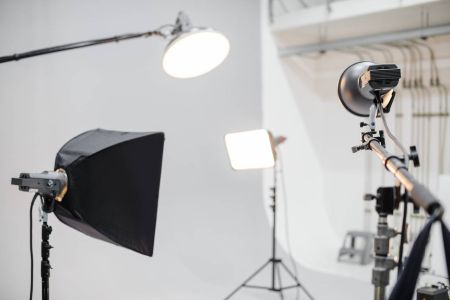
Professional photographers use external lighting equipment such as softboxes, reflectors, and flashes. They understand how to control natural and artificial light to create the perfect mood and exposure. This level of control is difficult to achieve with a phone camera.
Depth and Focus
Professional cameras offer better depth of field, allowing photographers to create that beautiful blurred background (bokeh effect) naturally. While smartphones try to replicate this using portrait mode, it is often software-based and may not always be accurate.
Professionals also have full control over focus, enabling them to highlight specific subjects in a frame. This precision adds a cinematic and artistic touch to their work.
Creativity and Composition
A great photo is not just about the camera—it’s about the person behind it. Professional photographers are trained in composition techniques such as the rule of thirds, leading lines, framing, and symmetry.
While anyone can take a quick phone picture, professionals plan their shots carefully. They consider angles, backgrounds, lighting, and storytelling elements to create visually appealing images that stand out.
Editing and Post-Processing
Both phone users and professionals edit their photos, but the level of editing differs greatly. Smartphone apps offer basic filters and adjustments, which are easy to use but limited.
Professional photographers use advanced editing software like Adobe Photoshop and Adobe Lightroom. These tools allow them to fine-tune every detail, including color grading, exposure, retouching, and background corrections. The result is a polished, high-quality image.
Speed vs Perfection
Phone photography is all about convenience and speed. You can quickly capture a moment without much preparation. This makes it ideal for casual photos, travel memories, and social media posts.
Professional photography, however, takes time. From planning the shoot to setting up equipment and editing the final images, the process is more detailed. The focus is on perfection rather than speed.
Purpose and Usage
The purpose of the photo also determines which option is better. Phone photos are great for personal use, quick sharing, and everyday memories.
Professional photos are essential for important occasions like weddings, corporate events, advertising, and branding. Businesses rely on high-quality images to create a strong impression and attract customers.
Skill and Experience
A smartphone camera can be used by anyone, regardless of experience. However, professional photography requires years of practice and knowledge. Photographers understand camera settings, lighting techniques, and creative concepts.
Their expertise allows them to handle challenging situations, such as poor lighting or fast-moving subjects, with ease.
Cost Factor
Phone photography is essentially free once you own a smartphone. This makes it a budget-friendly option for everyday use.
Professional photography involves costs, including equipment, time, and expertise. While it may seem expensive, the quality and value it provides—especially for important moments—make it worth the investment.
Emotional Impact
Professional photos often have a stronger emotional impact. They tell a story, capture genuine expressions, and preserve memories in a meaningful way.
Phone pictures can capture moments quickly, but they may lack the depth and storytelling that professionals bring to their work.