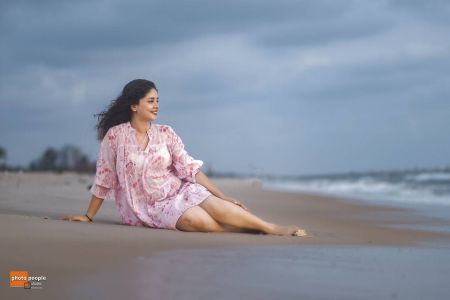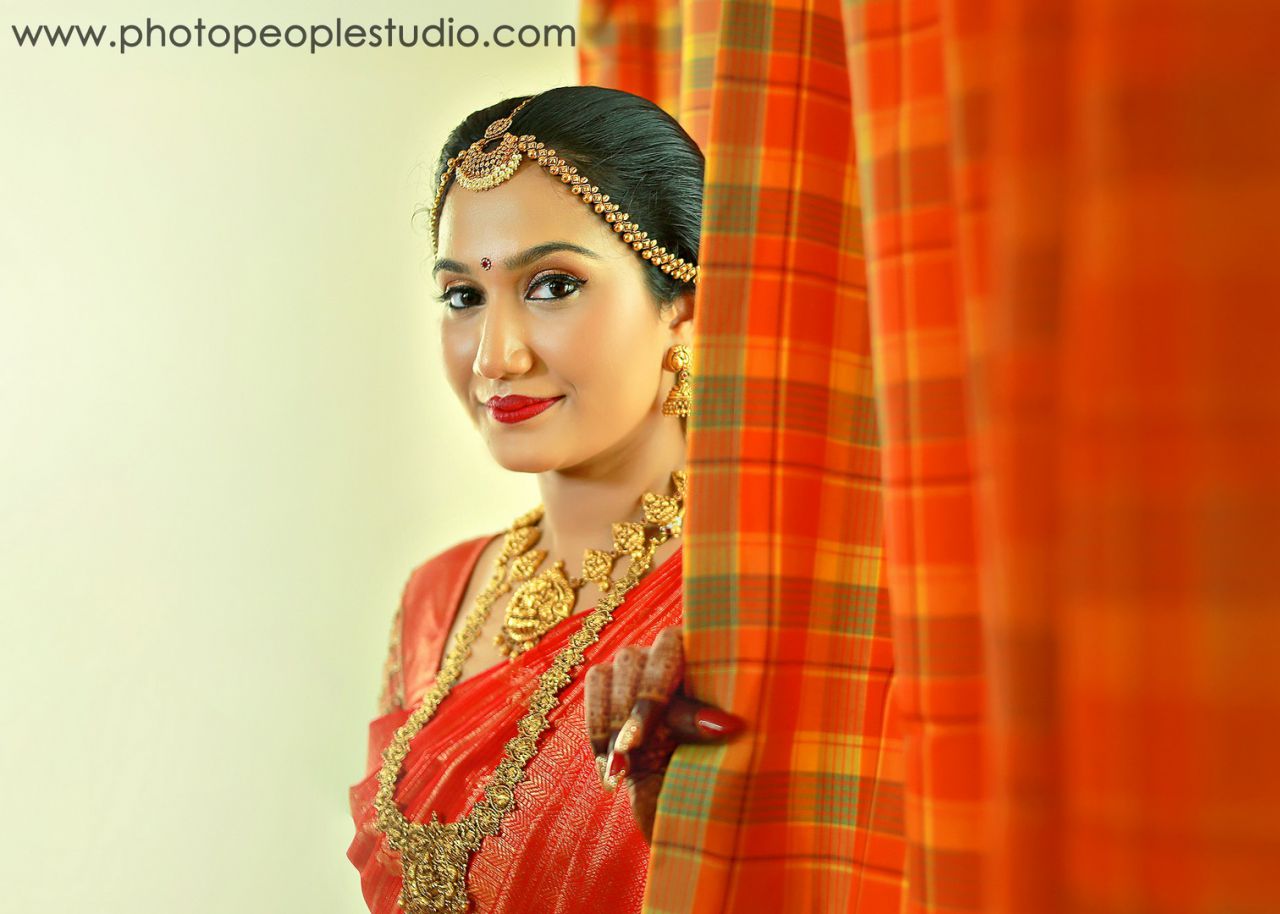
In today’s world, millions of photos are taken every day, but only a few truly stand out. Making your photos look unique is not about having the most expensive camera—it’s about creativity, vision, and how you use your tools. Unique photos capture attention, tell stories, and reflect your personal perspective as a photographer.
One of the easiest ways to make your photos unique is by changing your perspective. Most people take photos at eye level, but experimenting with different angles can create more interesting results. Try shooting from a low angle to make your subject look powerful, or from a high angle to create a dramatic view. Moving closer or farther away can also change the mood and impact of your image.
Lighting plays a major role in creating unique photos. Natural light, especially during sunrise and sunset, adds warmth and depth. Shadows can create mystery and texture, while bright light can make images look vibrant and energetic. Instead of always using perfect lighting, experiment with side lighting, backlighting, or low light to create different moods.
Composition is another powerful tool. Techniques like the rule of thirds, leading lines, and framing help guide the viewer’s eye. For example, using a road, fence, or river as a leading line can draw attention to your subject. Adding foreground elements like leaves, windows, or objects can also create depth and make your photo more visually appealing.
Color is essential in making photos stand out. You can focus on bold, vibrant colors or create a minimal look using only a few tones. Consistent color editing helps develop a recognizable style. Many photographers use editing tools to adjust brightness, contrast, and color tones to match their creative vision. Platforms like Instagram have made visual style especially important, as unique color tones and editing help photographers stand out.
Capturing emotion is one of the most effective ways to create unique photos. Photos that show real emotions—joy, excitement, calmness, or curiosity—connect more deeply with viewers. Instead of asking subjects to pose stiffly, encourage natural movement and genuine expressions. Candid moments often create the most memorable images.
Experimenting with different lenses and camera settings can also make your photos unique. A wide-angle lens captures more of the environment, while a zoom lens helps focus on details. Adjusting settings like shutter speed can create motion blur, adding a sense of movement and creativity.
Editing is the final step in making your photos unique. Editing helps enhance colors, improve lighting, and create a consistent look. However, avoid over-editing, as natural and balanced photos often look more professional. Find an editing style that reflects your personality and use it consistently.
Finally, practice and experimentation are key. Try new ideas, explore different subjects, and learn from your experiences. Over time, you will develop your own creative approach and visual identity.
In conclusion, making your photos unique requires creativity, experimentation, and attention to detail. By using different angles, lighting, composition, color, and storytelling, you can create photos that stand out and leave a lasting impression.